

To lead a successful PvP raid group in WoW Classic, you’ll need a balanced team. Start by picking members based on skill, availability, and ability to work together. A deep understanding of each class’s strengths and weaknesses helps you allocate roles efficiently, ensuring no overlap. Communication is key; use voice chat for clear, real-time instructions and establish a hierarchy to streamline information flow. Don’t forget to analyze your raids afterward, discussing what worked and what didn’t. This pivotal improvement cycle is essential. With the right mix of strategy, teamwork, and adaptability, your raids can dominate. Keep exploring these tactics, and you’ll hone your leadership skills even further.
Understanding Raid Dynamics
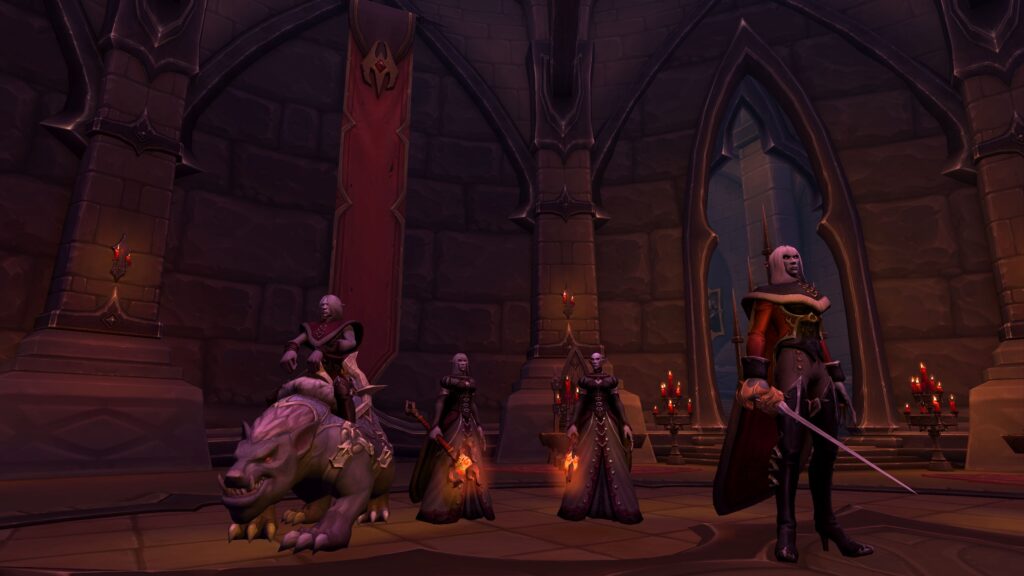
To successfully lead a PvP raid group in WoW Classic, it’s essential you understand the unique dynamics that come into play during these encounters. For starters, your raid composition is pivotal. Balancing your team with the right mix of damage dealers, healers, and tanks can make or break your strategy, especially in intricate boss encounters. Every individual player’s role is magnified in these settings, requiring a deep understanding of each class’s strengths and weaknesses.
Exploring into your favorite raid, like Icecrown Citadel, without a solid raid guide can lead to frustration. This iconic raid, for instance, demands precise coordination and an in-depth knowledge of each boss’s mechanics. A well-informed leader can steer their team through the complexities of the encounters, ensuring that every player’s contribution is maximized. It’s not just about having strong damage dealers; it’s about orchestrating those individual players to work as a cohesive unit.
Understanding these dynamics isn’t just beneficial; it’s necessary for any leader aiming to conquer the challenges WoW Classic throws at them. Whether it’s exploring the frostbitten halls of Icecrown Citadel or another raid, the principles of raid composition and individual player roles remain constant.
Selecting Your Raid Members
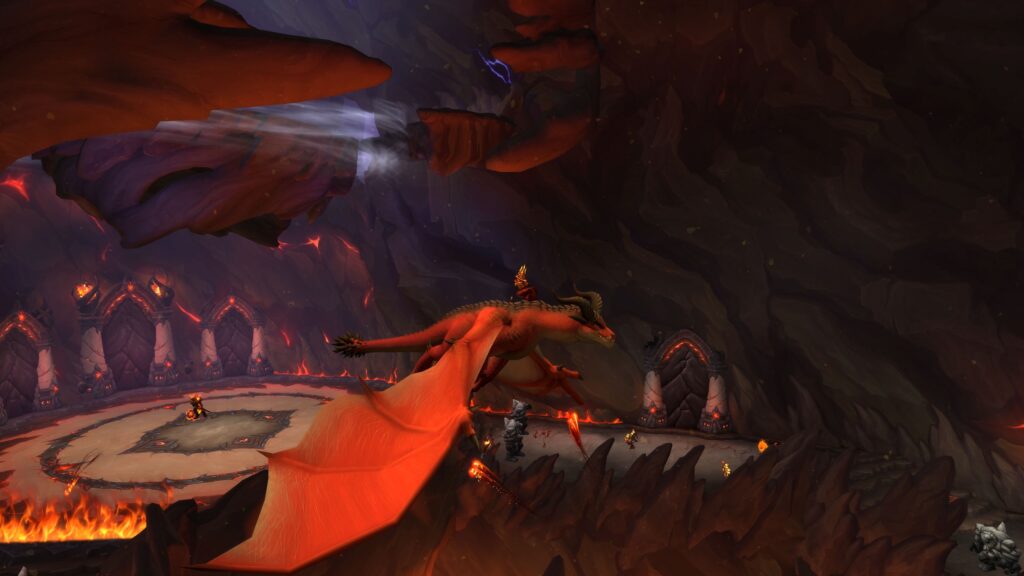
Choosing your raid members requires careful consideration of each player’s skills and the overall balance of your team. It’s not just about picking the highest damage dealers or the most experienced players. You’ve got to think about the dynamics of Molten Core, where each role has its place, and even a retribution paladin can shine with the right support.
Don’t overlook the importance of real-life factors, such as availability and reliability. A brilliant player who can’t show up consistently might not be as valuable as a less skilled player who’s always there when you need them. It’s a balancing act between in-game abilities and real-world reliability.
Consider each player’s ability to work as part of a team. Molten Core, with its intricate fights, requires more than just brute strength. It demands coordination, and players who can’t follow the strategy can become a liability, regardless of their individual prowess.
Lastly, don’t forget to factor in communication skills. Your raid’s success hinges on clear, concise communication. A player’s ability to listen and adapt can be just as pivotal as their in-game performance. Selecting your raid members is about finding the right mix of skill, reliability, and teamwork.
Strategic Planning Essentials
Once you’ve gathered your raid team, it’s crucial to immerse yourself in the strategic planning essential for conquering Molten Core’s challenges. The heart of your strategy lies in understanding each boss’s unique mechanics and tailoring your group’s approach accordingly. Start by evaluating the strengths and weaknesses of your team members. Knowing who excels in crowd control, who can sustain high DPS, and who are your most reliable healers forms the foundation of your strategy.
Next, allocate roles clearly. Each member should know their specific tasks, from who is main tanking to who is on dispel duty. This clarity prevents overlap and ensures that all bases are covered. Dive deep into the encounter specifics—some bosses may require intricate positioning or the juggling of aggro between tanks. Prepare for these nuances by running simulations or discussing strategies in forums.
Don’t forget to stock up on essential supplies. Potions, flasks, and food buffs can make the difference between a wipe and a win. Lastly, schedule regular practice runs. Familiarity breeds confidence and allows your team to iron out any kinks in your strategy. Remember, preparation and adaptability are your best tools in leading your raid to victory.
Communication During Combat
In the heat of battle, clear and concise communication is your raid’s lifeline. As a raid leader in WoW Classic, you’ve got to keep your orders short but informative. You don’t have the luxury of time for elaborate explanations. It’s about quick, decisive calls that your team can follow without hesitation.
First off, establish a communication hierarchy before the raid. Decide who’ll call the shots for different scenarios. This could mean having a main caller and a few sub-callers for specific tasks like crowd control or calling out enemy positions. This way, you’re not stepping on each other’s toes, and the raid chat isn’t flooded with voices.
Make sure you’re using voice chat. Text commands just can’t keep up with the pace of PvP combat. Plus, voice adds a personal touch, helping to keep your team engaged and responsive.
During combat, prioritize critical information. Focus on enemy movements, target calls, and significant cooldowns. Avoid cluttering the channel with unnecessary chatter. Your team needs to hear what’s important, fast.
Lastly, adapt your language to be universally understood within your raid group. Avoid jargon that might confuse newer members. Clear, simple commands ensure everyone’s on the same page, maximizing your raid’s effectiveness during the frenzy of PvP combat.
Post-Raid Analysis and Feedback
After wrapping up the heat of PvP combat, it’s just as important to reflect on the raid’s performance to pinpoint areas for improvement. You’ll want to gather your team for a post-raid analysis, where everyone can share their perspective. This process isn’t about pointing fingers but understanding what worked and what didn’t.
Here’s an example table to help visualize the kind of feedback you might collect:
| Aspect | Feedback |
|---|---|
| Strategy | “The flanking maneuver in Alterac Valley was effective but timing needs work.” |
| Communication | “We need clearer call-outs for targeting healers.” |
| Execution | “Our coordination at the Blacksmith was off. Let’s practice our positioning.” |
| Morale | “Team spirit was high, which kept us going even when we were behind.” |
This table simplifies the feedback process, making it easier to identify trends and areas that require attention. After collecting this information, it’s your job to distill it into actionable insights. Maybe you’ll organize extra practice sessions focused on weak spots or adjust your communication protocols. Remember, the goal is continuous improvement, so approach this analysis with an open mind and a commitment to making your raid group even more formidable.
Frequently Asked Questions
How Do You Effectively Deal With Conflicts Arising From Loot Distribution in a Pvp Raid Environment?
To effectively handle loot distribution conflicts in a PvP raid, you’ll want to establish clear rules before starting. Use a fair system, like DKP or loot council, to guarantee everyone’s on the same page.
What Are Innovative Ways to Keep Morale High Among Raid Members During a Losing Streak in Pvp Encounters?
Sailing through a losing streak’s like piloting through stormy seas. You’ve gotta keep your crew’s spirits high by commemorating small victories, fostering teamwork, and occasionally changing up strategies to inject fresh excitement and hope.
How Can a Raid Leader Manage and Integrate Players With Varying Levels of Pvp Experience to Ensure a Cohesive Team?
As a raid leader, you’ll need to balance your team by mixing experienced players with newcomers. It’s essential to assign mentors, encourage open communication, and set clear, achievable goals for everyone to follow.
In What Ways Can Raid Leaders Use External Tools or Platforms to Enhance Their Raid Group’s Performance Outside of the Game?
As a raid leader, you can boost your group’s performance by leveraging external tools like Discord for communication, and sites like Wowhead for strategy guides. They’ll help you coordinate and strategize more effectively outside the game.
What Are Some Unique Challenges of Leading a Pvp Raid Group in Wow Classic Compared to Pve, and How Can They Be Addressed?
In leading a PvP raid in WoW Classic, you’ll face unique challenges like unpredictable enemy tactics and morale management. Address these by fostering strong communication, adapting strategies on the fly, and maintaining team spirit.
Epic Adventures Await! Dive into my WoW blog for detailed guides, PvP strategies, and more. Your journey to greatness starts here!