
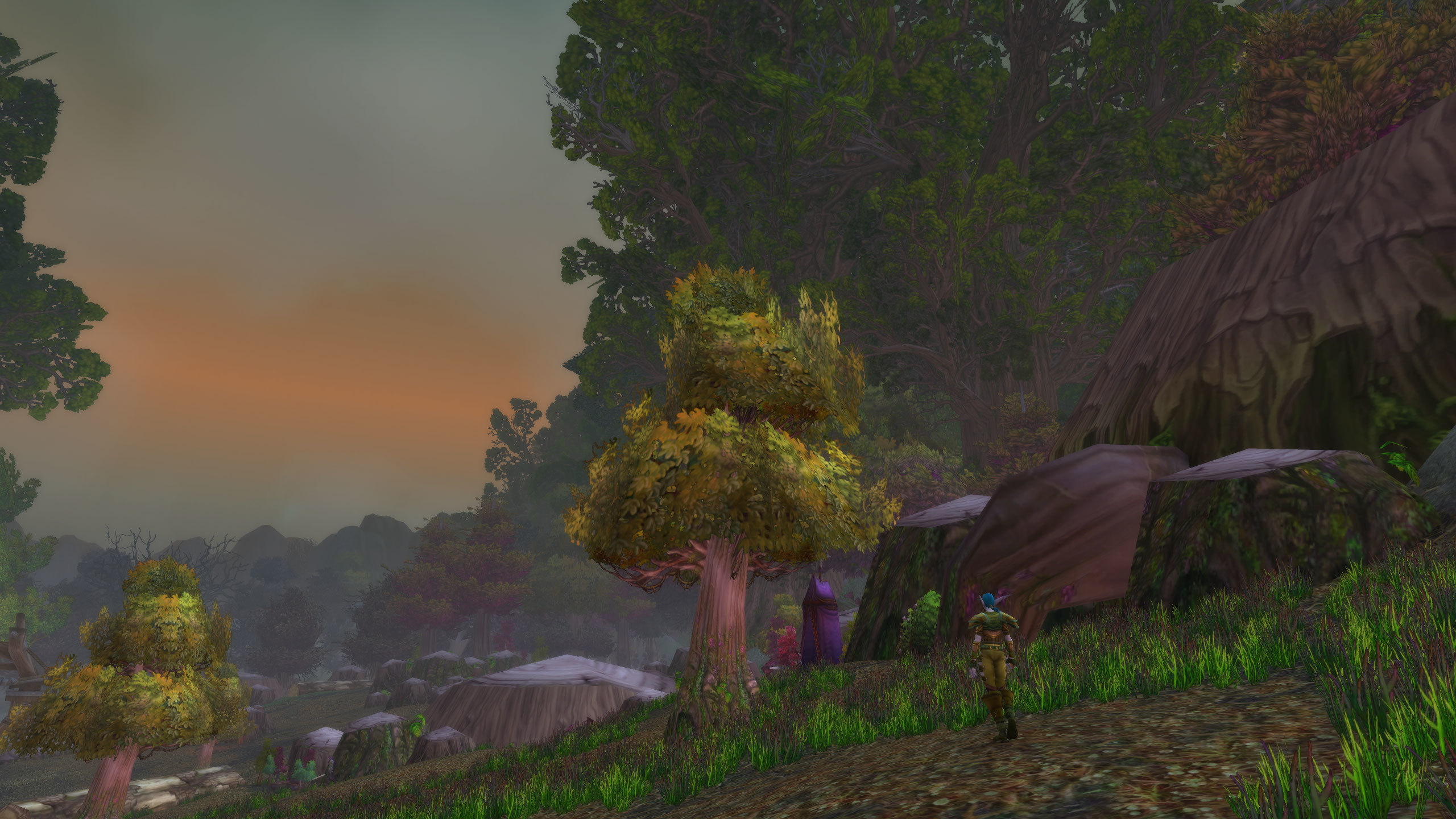
World of Warcraft is a game steeped in rich lore and expansive storytelling, and one of the most subtle yet impactful ways that stories are told is through the architecture of the game’s cities.
These cities are more than just places to buy gear or find quests; they are immersive environments that reflect the history, culture, and ideology of the factions and races that inhabit them. From the towering spires of Stormwind to the jagged, dark structures of Undercity, WoW’s cities are designed to tell stories through their architecture. This article explores how the design of these cities contributes to the lore of Azeroth and deepens the player’s connection to the world.
The Role of Architecture in Storytelling
In World of Warcraft, the architecture of each city tells a story about the people who built it and the values they hold dear. The design choices made for each city, from the choice of materials to the layout and overall style, serve as visual cues that help players understand the culture and history of that place. Architecture is not just functional — it’s a powerful narrative tool that reflects the identity of the factions and races of Azeroth.
For example, the human city of Stormwind is a shining beacon of civilization, with majestic stone structures, large public squares, and detailed statues of heroes from the kingdom’s past. This design emphasizes the human values of order, strength, and tradition. In contrast, the Forsaken city of Undercity is a dark, decaying maze of tunnels and ruins, reflecting the Forsaken’s tragic past and their struggle for independence and survival.
- Visual Storytelling: The style and layout of a city reflect the values and history of its people.
- Cultural Identity: Cities like Stormwind, Orgrimmar, and Undercity each have unique architectural styles that embody their cultural identities.
- History Through Design: Architecture conveys a city’s history, from its rise to its eventual struggles, showing the passage of time.
Stormwind: Symbol of Humanity’s Resilience
Stormwind, the capital of the human kingdom, is one of the most iconic cities in WoW. Its design reflects the strength and resilience of humanity. The city is filled with towering spires, massive walls, and wide boulevards, all constructed to symbolize the might and determination of the human race. The architecture of Stormwind, with its grand castle at the center, is built to showcase a sense of order and protection, reinforcing the idea that Stormwind is the heart of the Alliance.
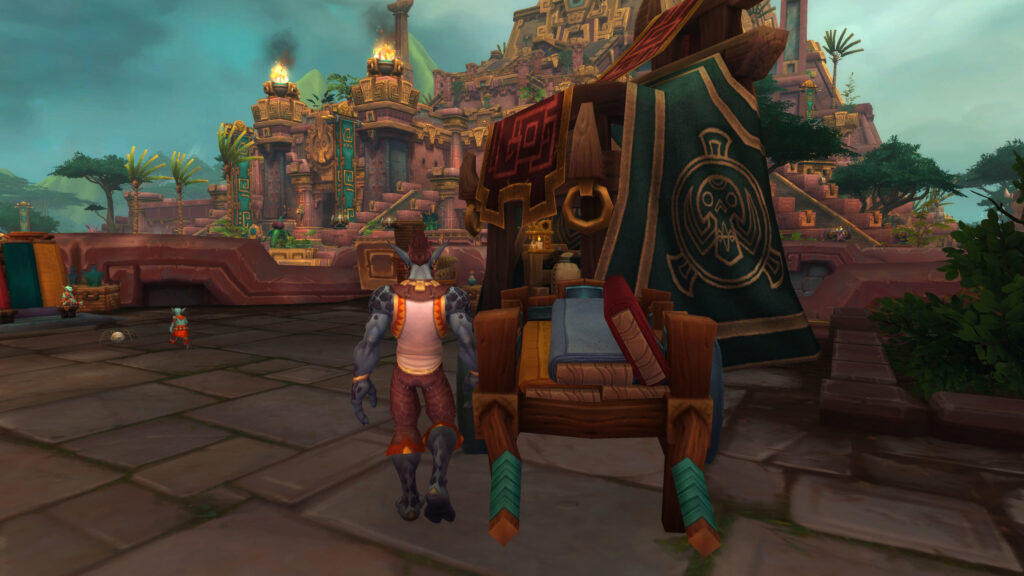
Yet, Stormwind is also a city built on the scars of war. The remnants of the Stormwind Cathedral and the war-torn areas near the Trade District remind players of the city’s struggle during the Second War and the invasion of the Burning Legion. These architectural elements tell a story of human perseverance in the face of destruction, making Stormwind not just a place of governance but a symbol of hope and resilience for all of humanity.
- Majestic Design: Stormwind’s towering structures reflect the grandeur and strength of the human race.
- Historical Reminders: The remnants of past wars and rebuilding efforts show humanity’s perseverance and resolve.
- Symbol of Hope: Stormwind represents a beacon of hope for the Alliance, symbolizing unity and resilience.
Undercity: Architecture of Loss and Rebirth
Undercity, the capital of the Forsaken, is a stark contrast to Stormwind. Built beneath the ruined city of Lordaeron, Undercity’s design is dark and foreboding, filled with crumbling stone, twisted corridors, and eerie green lighting. The architecture of Undercity reflects the Forsaken’s tragic history as former victims of the Lich King’s Scourge, now transformed into an undead race struggling to reclaim their dignity and sovereignty.
The design of Undercity emphasizes the Forsaken’s desire for independence and survival, with its maze-like structure symbolizing the uncertainty and chaos of their existence. The decaying infrastructure represents the Forsaken’s ongoing battle to rebuild and redefine themselves, while the eerie green glow of their magic showcases their mastery over death and decay.
- Dark Aesthetics: Undercity’s design is characterized by its dark, decaying architecture, reflecting the Forsaken’s tragic past.
- Symbol of Survival: The maze-like structure of the city reflects the Forsaken’s struggle to carve out a new life in a world that rejects them.
- Mastery of Death: The green glow of magic throughout Undercity symbolizes the Forsaken’s command over death and their connection to the Lich King.
Ironforge: The Legacy of Dwarven Craftsmanship
Ironforge, the capital of the Dwarves, is another prime example of how architecture can tell a story. Carved directly into the mountains of Dun Morogh, Ironforge is a testament to the Dwarves’ incredible craftsmanship and ingenuity. The city’s design emphasizes its connection to the earth, with its vast, cavernous halls, stone structures, and intricate metalwork. The architecture reflects the Dwarves’ strong bond with the land and their ability to shape the world around them.
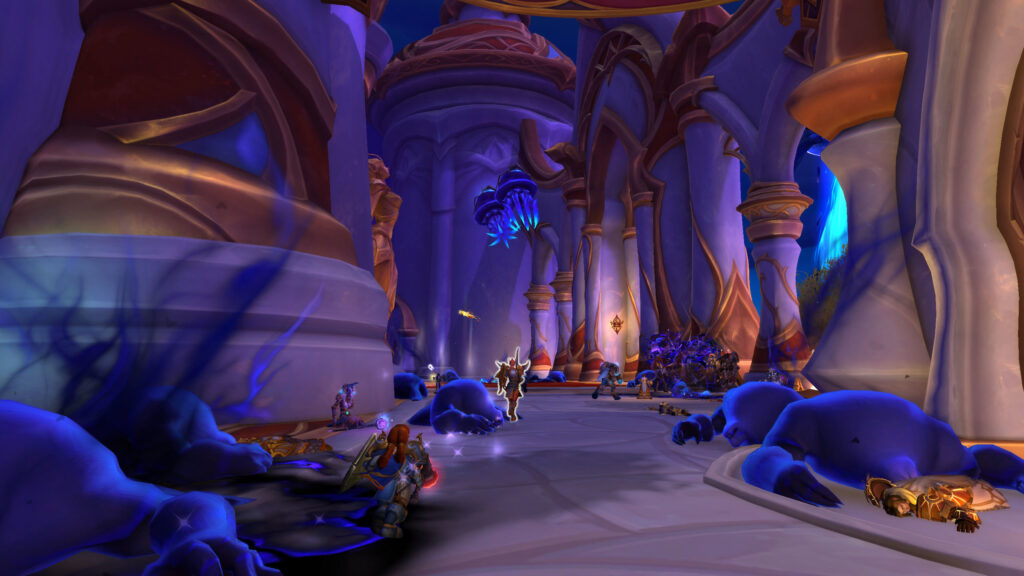
Ironforge’s central design feature, the Great Forge, symbolizes the heart of Dwarven civilization — a place where metal is forged and where the Dwarves continue their legacy of craftsmanship. The intricate carvings and statues throughout Ironforge honor the Dwarves’ heroes and history, further cementing the city’s role as the center of Dwarven culture and pride.
- Connection to the Earth: Ironforge is built directly into the mountains, symbolizing the Dwarves’ deep connection to the land.
- Craftsmanship: The city’s design emphasizes the Dwarves’ legacy of metalworking, craftsmanship, and innovation.
- Honor and Tradition: The statues and carvings honor the Dwarves’ history, creating a sense of pride and continuity within the city.
Conclusion
World of Warcraft’s cities are much more than mere hubs of activity or questing zones — they are living, breathing environments that tell stories through their architecture.
Each city’s design reflects the values, history, and identity of its people, from the grandeur of Stormwind to the decay of Undercity. The architecture of these cities not only enhances the game’s lore but also deepens the player’s immersion, making the world feel more alive and interconnected. By telling stories through architecture alone, WoW creates a world that players can truly get lost in, where every building and structure holds a piece of the game’s rich narrative.